
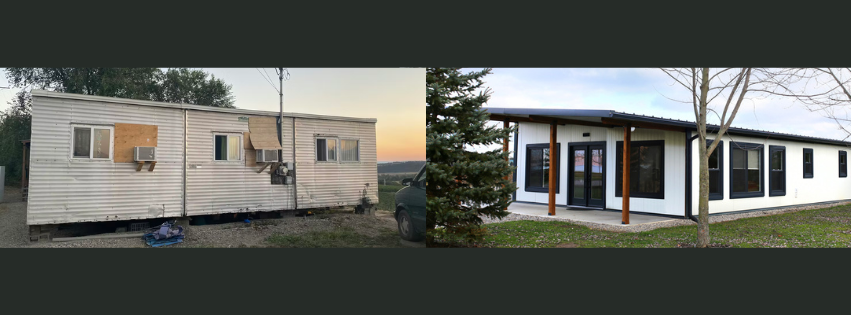
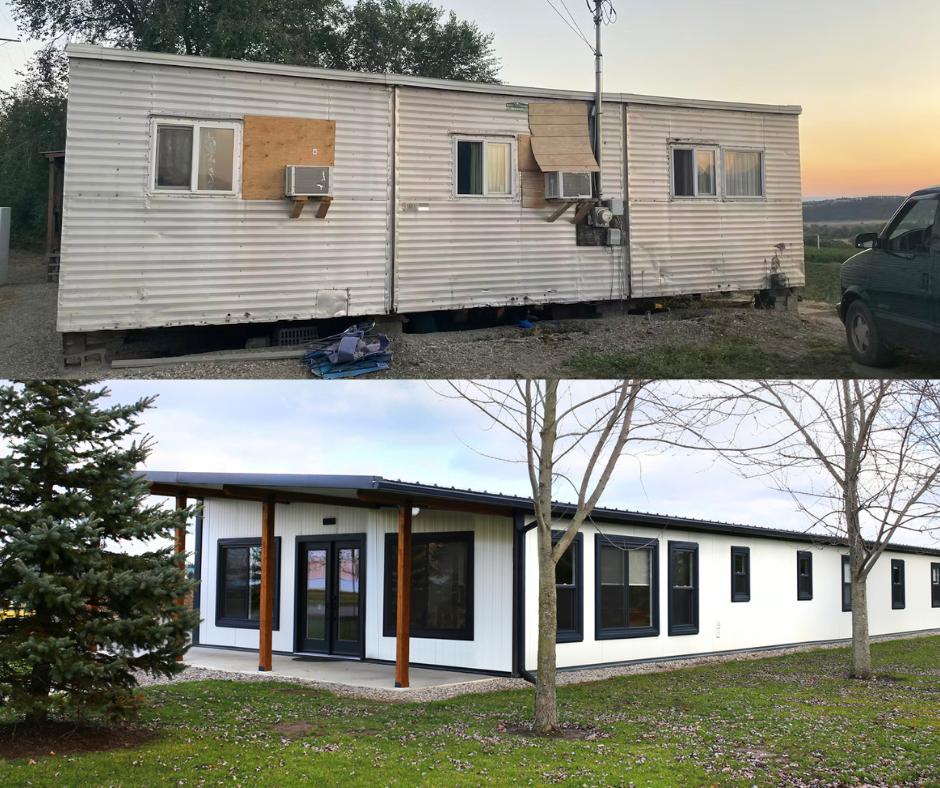
Worker housing across Ontario reflects long-term use and changing standards
Aging worker housing often reflects a different time
Across Ontario, much of today’s worker housing was built decades ago, during a period with different construction standards, economic conditions, and regulatory expectations. Many employers built housing with the intention of meeting requirements at the time and supporting their workforce as best they could.
As standards evolve and costs rise, maintaining older housing has become increasingly complex. What once worked well may now struggle to meet modern expectations around comfort, privacy, and efficiency.
Understanding these pressures requires looking at both employer constraints and worker experiences.
The lived reality inside aging worker housing
Recent research and advocacy from More Than a Migrant Worker highlights that many migrant farm workers across Canada live in housing that is overcrowded, lacks privacy, or offers limited personal space.
According to their findings, workers often share bedrooms, kitchens, and washrooms with multiple people, leaving little room for rest or personal time after long workdays. These conditions are rarely the result of neglect. More often, they reflect housing stock that was never designed for today’s workforce size or expectations.
This lived reality matters. Housing conditions directly affect physical health, mental wellbeing, and overall worker experience.
The real costs behind aging worker housing
Maintenance demands that quietly increase
Older worker housing typically requires more frequent maintenance to remain functional. Aging plumbing, electrical systems, and building envelopes lead to ongoing repairs that accumulate over time.
These costs are often unpredictable, making it difficult for employers to budget with confidence.
Energy inefficiency and operating expenses
Many worker accommodations were built before modern insulation, ventilation, and air sealing standards. As energy costs rise, older buildings become increasingly expensive to operate.
Over time, utility expenses alone can place significant strain on operating budgets.
Inspection pressure and uncertainty
Housing built under earlier standards may not fully align with current inspection expectations. This creates stress and uncertainty for employers, particularly when requirements change or interpretations vary.
Proactive planning helps reduce the risk of urgent upgrades and creates clarity around timelines and costs.
Worker wellbeing and retention
Housing quality plays a meaningful role in worker satisfaction and retention. Limited privacy, overcrowding, and aging facilities can affect rest, recovery, and morale.
Improved housing conditions often support stronger retention, fewer disruptions, and more stable operations across the season.
Why gradual upgrades still make sense
Planned improvements reduce long-term risk
Phased upgrades allow employers to spread costs over time and avoid emergency repairs. Even modest improvements can significantly reduce long-term expenses and inspection challenges.
Planning ahead preserves flexibility and choice.
Efficiency creates predictability
Energy-efficient construction reduces operating costs year after year. Improved insulation, ventilation, and durable materials lower both utility bills and maintenance requirements.
Over the lifespan of the housing, these savings help offset initial investment costs.
Flexibility for the future
Modern worker housing can often be designed with adaptability in mind, including the potential for alternate residential uses if regulations allow.
This flexibility protects long-term value as labour needs and policies evolve.
Worker housing and Ontario regulations
Ontario standards related to worker accommodations continue to change. Employers are expected to meet current safety, building, and occupancy requirements, even when housing was constructed under older rules.
Working with builders who understand Ontario regulations and guidance from organizations such as Home Construction Regulatory Authority helps employers plan upgrades that align with today’s expectations while respecting real-world constraints.
Planning worker housing improvements does not have to start with a commitment
Every property, operation, and budget is different. For many employers, the first step is simply understanding what options exist, what is feasible on their land, and how upgrades could be phased over time.
A preliminary inquiry can help clarify zoning, servicing, and design considerations without pressure or obligation.
👉 Inquire here to explore worker housing options and feasibility: https://www.smarthomedesign.ca/get-a-quote/
This initial step is about information, not decisions.